Products
For Household Farming
Cyprinid fish
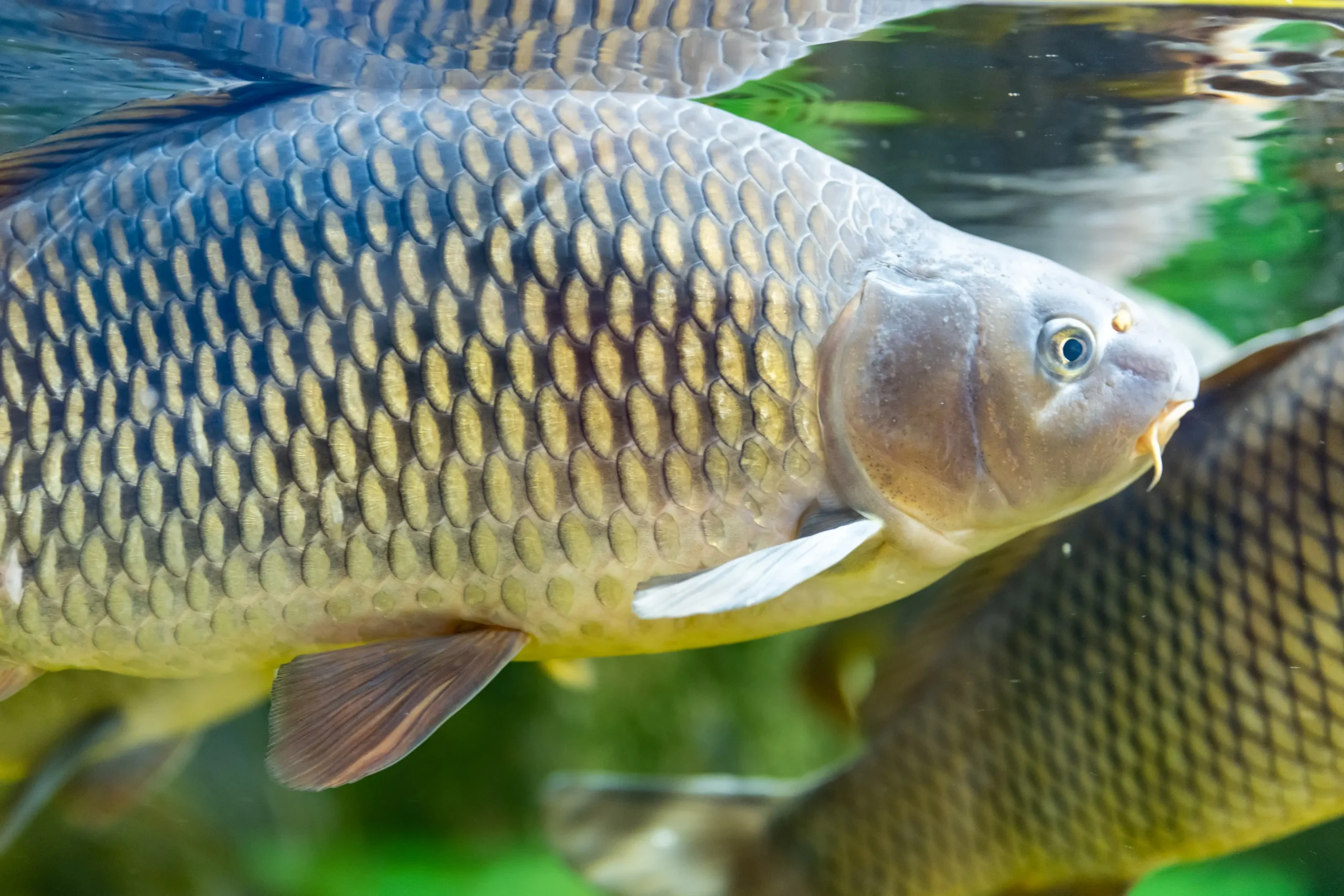
Cyprinids are one of the best options for small-scale aquaculture. They adapt well to ponds, are undemanding in feed, tolerate changing conditions, and are valued for their tasty, nutritious meat that is high in protein and fat. In addition, carp coexist well with crucian carp, tench and other fish species.
Feeding recommendations
The extensive culture system involves raising carp without supplemental feeding relying on natural feed resources. The main advantage of this method is the absence of feed costs, while the disadvantage is the need for a large water surface area.
In a semi-intensive system, fish are fed grain (wheat, corn), while they obtain protein naturally from plankton and invertebrates. To increase the amount of natural food, daphnia ponds are constructed, which are connected to the main ponds by channels. This system allows for more efficient use of pond areas, increases the yield of the two-year-old fish, but the seasonal variation in protein availability can limit growth.
The intensive culture system involves the use of compound feed with a high level of protein, which increases the pond productivity. Nitrogen and phosphorus released during digestion contribute to the development of natural food, so the quality of the aquatic environment improves, and the waste output decreases. The result is larger carp, stable production and profit.
Feed is placed in special feeding areas: for this purpose, clean, unvegetated areas are arranged, where feeders (feeding tables with edges) are installed at a depth of 0.5–1 m, or special feeding places are prepared: areas of 2 m², which are compacted and treated with lime before filling the pond. The amount of feed is calculated based on feed intake.