Products
For Household Farming
Care
-
To maintain the health of the livestock, it is necessary to carry out a set of measures for vaccination, disinfection, disinsection, deratization and other work designed to prevent pathogen exposure. In particular:
- broilers in a separate room, isolated from other poultry species, domestic or wild animals, rodents, and insects;
- limit non-essential visitors to the poultry house;
- before chick placement, thoroughly clean and wash floors, walls, and equipment, and allow them to dry completely. Make repairs if necessary;
- a minimum of three days should elapse between final disinfection and bird placement;
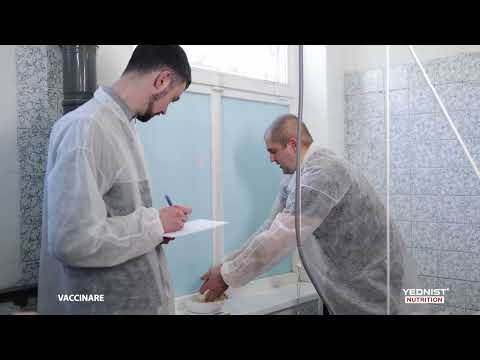
- vaccinate according to schedules recommended by genetic companies, poultry suppliers, and competent veterinary authorities.
-
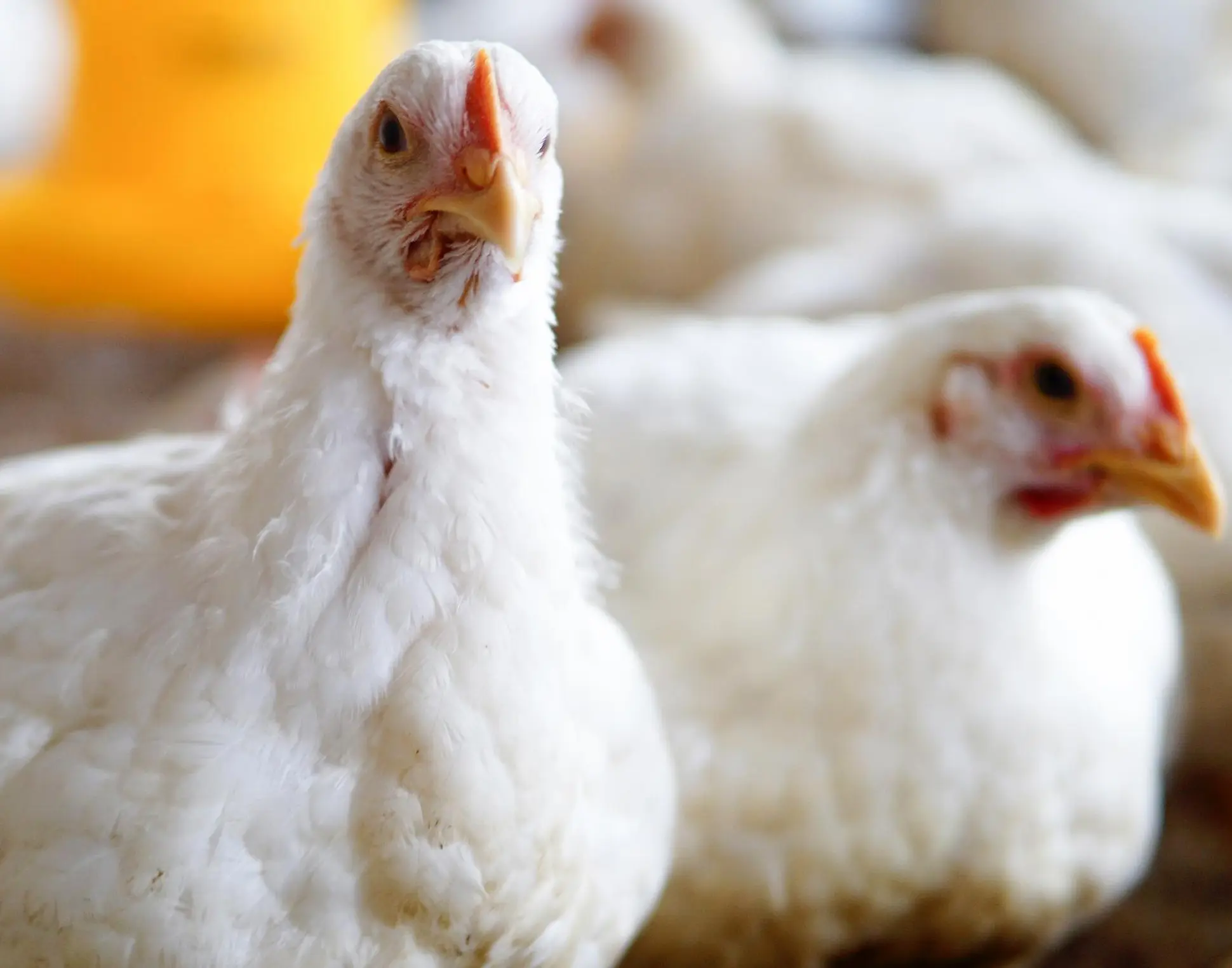
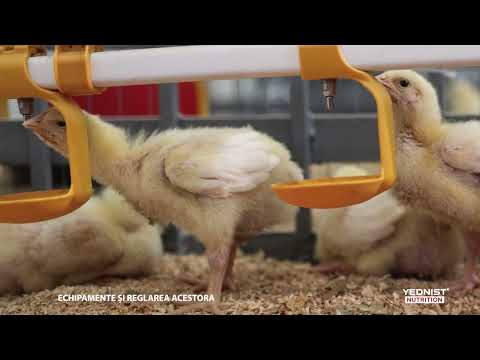
High-quality day-old chicks have a neat, clean appearance. They should stand firmly on their legs, walk well, be active and vigorous. Healthy chicks have dry, fluffy down, bright, round, active eyes, bright shanks, with no redness and injuries. Occasional, normal chirping is acceptable. Chicks should be free from deformities. The uniformity of day-old chicks should be at least 80%.
-
Providing the adequate quantity of water and feed installing heaters at the recommended height that can operate at full power is fundamental to good poultry production. Preheat the poultry house so that floor and air temperatures as well as relative humidity to stabilize 24 hours before chick placement.
Thoroughly clean and disinfect the poultry house, surrounding area, and all equipment before placing the bedding materials and chicks. Spread the bedding evenly, 1–4 inches (2.5–10 cm).
Place sheets of paper next to the feeders (one sheet per 100 chicks) and spread sifted crumb onto the paper.
Throughout the feeding period, ensure that the edge of the trough or cup is positioned at the level of the bird's back. Feed level in the feeders should ensure accessibility while prevent spillage.
-
Good quality litter material should be absorbent, biodegradable, comfortable for the birds, free from pathogens. Recommended materials include pine shavings, granulated chopped straw, sunflower husks, peat. Do not choose dry sawdust, as a hungry bird may peck at it, which leads to digestive problems and even death.
The litter is laid in one go for the entire growing period or in a layer of 5–7 cm and as it becomes moist, new litter is added every 10–20 days. In the summer, the thickness of the litter should not exceed 10–12 cm.
Standards for using litter for broilers
Type of bedding Minimum depth or volume Dry shavings 2,5 cm Chopped straw 1 kg/m² Rice husk 5 cm Sunflower husks 5 cm -
Stocking density depends on the technical ability to control the microclimate. Under ideal conditions, it can start at 20–24 birds per 1 m² of floor area, but should not exceed 33–35 kg of live weight during the growing period.
-
Brooding period.Chicks are unable to regulate their body temperature until 12–14 days, therefore, the microclimate parameters (air temperature – 30 °C, floor temperature – 28–30 C, relative humidity – 60–70%) should be stabilized at the recommended levels 24 hours before the chick placement.
If the floor area is very spacious, brooder partitions are used and removed after 5–7 days. At the time of placement, the floor temperature should not be lower than 32 °C, and under the heat source in brooders it should be 40.5 °C.During the first 7 days, provide 23 hours light per day.
During the brooding period (up to 10 days of age), the relative humidity should be maintained at 60-70% during the first 3 days and above 50% thereafter. The ventilation rate must ensure an adequate supply of fresh air and the removal of harmful gases. The absence of drafts must be monitored.
The effectiveness of the microclimate is determined by the chicken behaviour; they should feel comfortable. Optimal temperature depends on the relative humidity.
During the non-brood period.The following microclimate parameters should be observed.
Recommended microclimate parameters for broilers
Parameter Bird age (days) Age (days) 0-14 15-28 29-45 Air temperature, °C 33-27 26-21 20 Relative humidity, % 55-75 50-65 50-65 -
Depending on the type of poultry house ether natural or forced ventilation may be used. Open-sided houses are equipped with blinds or curtains and fans to improve temperature control by promoting air circulation across the house.
Solid wall poultry houses with forced ventilation are usually fitted with wall-mounted exhaust fans, inlet vents, and blinds.
-
A modern lighting program involves periods of light and darkness. During the first week of life, provide 23-24 hours light, then reduce to 18-19 hours.
Periods of darkness are essential, as birds use energy more efficiently during rest. This improves feed conversion, promotes uniform growth, and reduces mortality and developmental defects. The light/dark period increases melatonin production, which is important for immune system development.
Our partners and stores in Romania